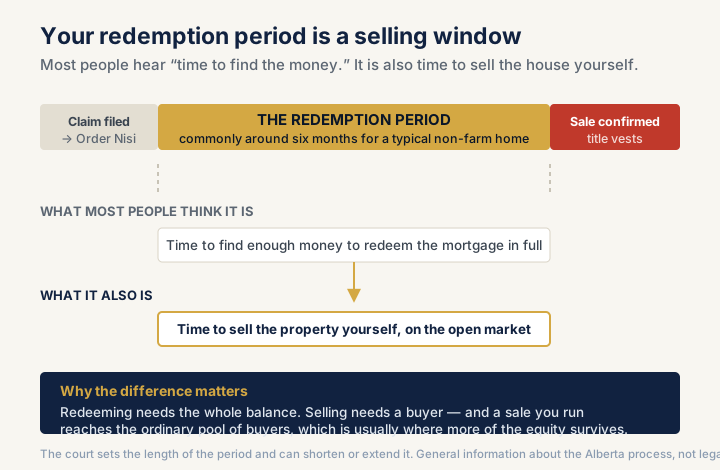
If you are considering selling before a court sale, the only question that matters at the start is whether there is enough time. Here is what each stage genuinely needs, so you can do that arithmetic yourself.
The stages, and what they take
Deciding and getting the numbers. A written payout figure from your lender, a look at what is registered against the title, and a realistic opinion of value. Days rather than weeks, if you start making calls.
Preparing to list. Cleaning, minor repairs, photography, pricing. This can be short if the home is in reasonable shape, and it is one of the few stages you genuinely control.
Time on market. The variable that decides everything, and the one nobody can promise. It depends on your local market, the property, and — above all — the price. A home priced correctly for a deadline sells materially faster than one priced on hope.
Conditions. Most buyers need financing and an inspection. That is a defined period after an accepted offer, and it is normal for it to be a couple of weeks.
Closing. Lawyers, funds, title. Also weeks rather than days, and currently affected by slow Land Titles registration.
Adding it up honestly
Stack those and a comfortable sale wants months, not weeks. It can be done faster — a well-priced home in a moving market with a cash buyer can compress most of this — but planning on the fast version and getting the normal version is how people run out of runway.
Which is why the answer to "how long do I have" should always come before "what should I do". If the redemption window is long and you are early in it, you have room to market the property properly and chase the best price. If a sale date is close, the honest conversation is a different one, and it may be about speed at a discount rather than maximising price.
The mistake worth avoiding
Listing too high and adjusting later is the most common way homeowners lose this race. It feels cautious. It is not — it spends the one resource that cannot be recovered. A property that starts correctly priced attracts attention while it is fresh, which is when most of the interest happens.
If you are not sure which end of the timeline you are on, that is exactly what a free assessment is for. It costs nothing to find out.
Questions people ask
General information about the Alberta foreclosure process — not legal or financial advice, and nothing here guarantees an outcome. Every file is different.